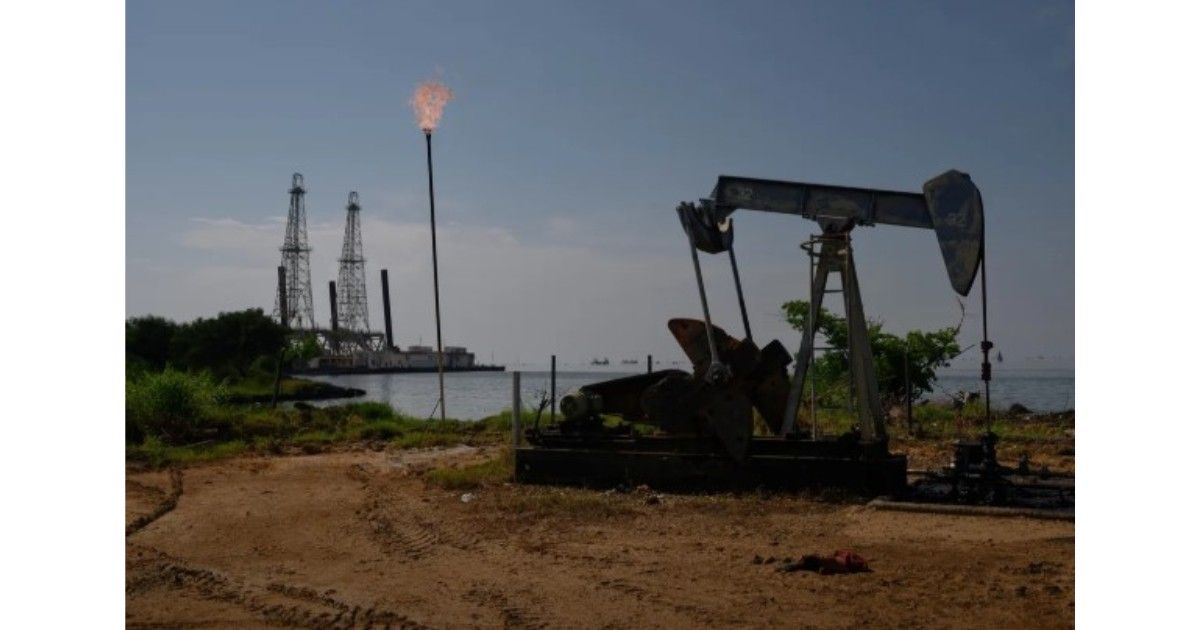
Global energy markets witnessed a sharp upswing as crude oil prices surged significantly amid escalating geopolitical tensions in West Asia and renewed concerns over potential disruptions in key supply routes. Benchmark crude varieties, including Brent and West Texas Intermediate (WTI), posted strong gains during early trading, driven by uncertainty surrounding ceasefire negotiations and fears of a blockade in the strategically vital Strait of Hormuz.
The rally in oil prices underscores the fragile balance between geopolitical developments and global energy supply chains, with analysts warning that any prolonged disruption could have far-reaching consequences for inflation, trade, and economic stability worldwide.
Crude Oil Prices Jump Amid Escalating West Asia Tensions
International crude oil benchmarks recorded notable gains as market sentiment turned cautious amid rising geopolitical risks.
Brent crude, the global benchmark, climbed over 2.5 percent to trade near $97.28 per barrel during early hours, after touching an intraday high of $97.89. Similarly, West Texas Intermediate (WTI), the US benchmark, surged more than 3.5 percent to hover around $97.72 per barrel, reflecting strong upward momentum.
The sharp rise in prices comes in the backdrop of renewed tensions involving the United States and Iran, along with heightened military activity in the region. The fragile ceasefire situation has contributed to uncertainty, prompting traders to factor in potential supply disruptions.
Market participants noted that even minor developments in the region are currently having outsized impacts on oil prices due to the critical importance of West Asia in global energy production.
Hormuz Strait Blockade Fears Intensify Supply Concerns
A major factor driving the surge in crude prices is the growing concern over a possible blockade of the Strait of Hormuz, one of the world’s most critical oil transit chokepoints.
The Strait of Hormuz facilitates the movement of nearly 20–30 percent of global oil and gas supplies. Any disruption in this narrow waterway can significantly affect global supply chains and trigger sharp price volatility.
Recent developments have heightened these fears, with reports suggesting that tensions between regional powers could escalate further. Iran has reportedly issued warnings about potential action in response to geopolitical developments, raising concerns about the safety of shipping routes.
Energy analysts emphasize that even the threat of disruption—without an actual blockade—can drive prices higher, as markets react to uncertainty and risk premiums.
Ceasefire Uncertainty Adds to Market Volatility
The surge in crude prices also reflects growing skepticism about the durability of the recently announced ceasefire in the region.
Statements from key stakeholders have indicated deep disagreements over the terms of the truce, with diplomatic efforts facing challenges. Reports of continued military activity in parts of West Asia have further undermined confidence in the ceasefire’s effectiveness.
The situation remains fluid, and any escalation could have immediate repercussions on oil markets. Traders and investors are closely monitoring developments, with many adopting a cautious approach.
The uncertainty surrounding the ceasefire has also contributed to increased volatility in global financial markets, particularly in commodities and energy-linked assets.
Global Market Reaction and Investor Sentiment
The spike in crude oil prices has influenced broader market sentiment, with investors adjusting their strategies in response to rising geopolitical risks.
Energy stocks have shown signs of strength, benefiting from higher crude prices, while sectors sensitive to fuel costs—such as aviation and logistics—are expected to face pressure.
Global equity markets have reacted cautiously, with mixed trends observed across regions. The rise in oil prices has also revived concerns about inflation, particularly in economies heavily dependent on energy imports.
Analysts believe that sustained high oil prices could complicate monetary policy decisions for central banks, especially at a time when many economies are still navigating post-pandemic recovery challenges.
Implications for India and Other Import-Dependent Economies
For countries like India, which rely heavily on crude oil imports, the surge in prices could have significant economic implications.
Higher crude prices typically translate into increased fuel costs, which can impact transportation, manufacturing, and overall cost structures. This, in turn, may contribute to inflationary pressures and affect consumer spending.
India’s energy import bill could rise if prices remain elevated, potentially impacting the country’s fiscal balance and current account deficit. Policymakers may need to consider measures to cushion the impact on consumers and businesses.
Other import-dependent economies across Asia and Europe are also likely to feel the effects, highlighting the global interconnectedness of energy markets.
Expert Views: Risk of Prolonged Energy Disruption
Market experts have warned that the current situation could escalate into a broader energy crisis if tensions persist or worsen.
According to industry analysts, the possibility of supply disruptions, combined with limited spare production capacity, could keep prices elevated in the near term. They caution that even temporary disruptions in the Strait of Hormuz could lead to significant supply shortages.
Experts also point out that geopolitical risks are increasingly becoming a dominant factor in oil price movements, overshadowing traditional supply-demand dynamics.
In such a scenario, volatility is expected to remain high, with prices reacting sharply to any new developments.
Outlook: What Lies Ahead for Crude Oil Markets
Looking ahead, the trajectory of crude oil prices will largely depend on geopolitical developments in West Asia and the outcome of ongoing diplomatic efforts.
If tensions ease and the ceasefire holds, prices may stabilize or even decline. However, any escalation or disruption in key supply routes could push prices higher, potentially breaching the $100 per barrel mark.
Market participants are also keeping an eye on global demand trends, production decisions by major oil-producing nations, and macroeconomic indicators.
In the short term, volatility is likely to persist, with oil markets remaining highly sensitive to geopolitical signals.
Conclusion: A Fragile Energy Landscape
The recent surge in crude oil prices highlights the vulnerability of global energy markets to geopolitical risks. The situation in West Asia, particularly concerns over the Strait of Hormuz, has once again underscored the critical role of strategic chokepoints in shaping global supply dynamics.
As uncertainty continues to loom, governments, businesses, and consumers alike may need to brace for potential fluctuations in energy costs. The coming days will be crucial in determining whether the current rally is a temporary spike or the beginning of a more sustained upward trend.
Inputs & Images: Hindusthan Samachar
Edited By: Akshaya Polepalli